
low e insulated glass panels
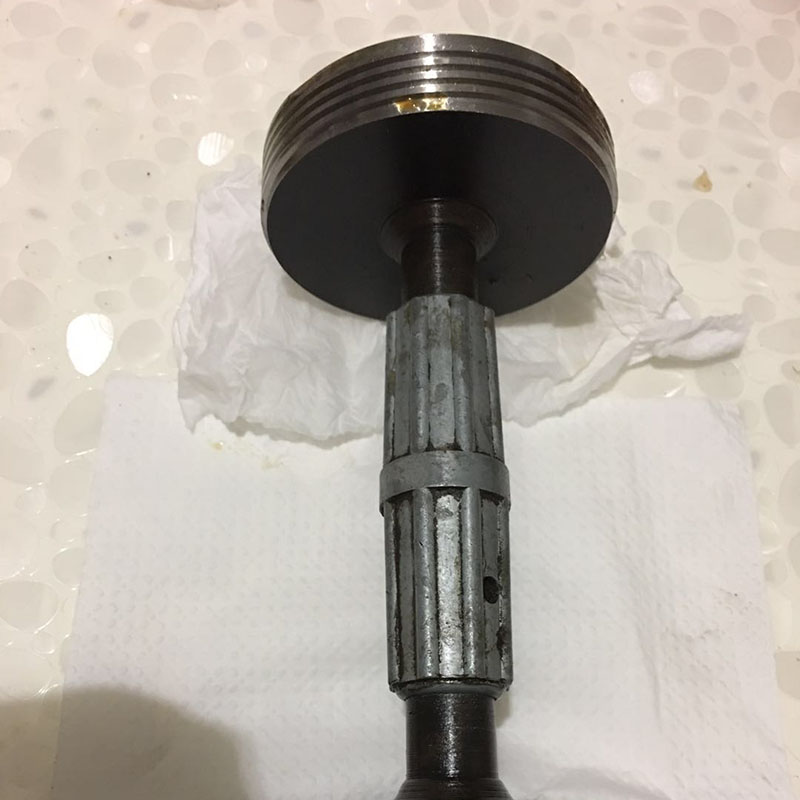
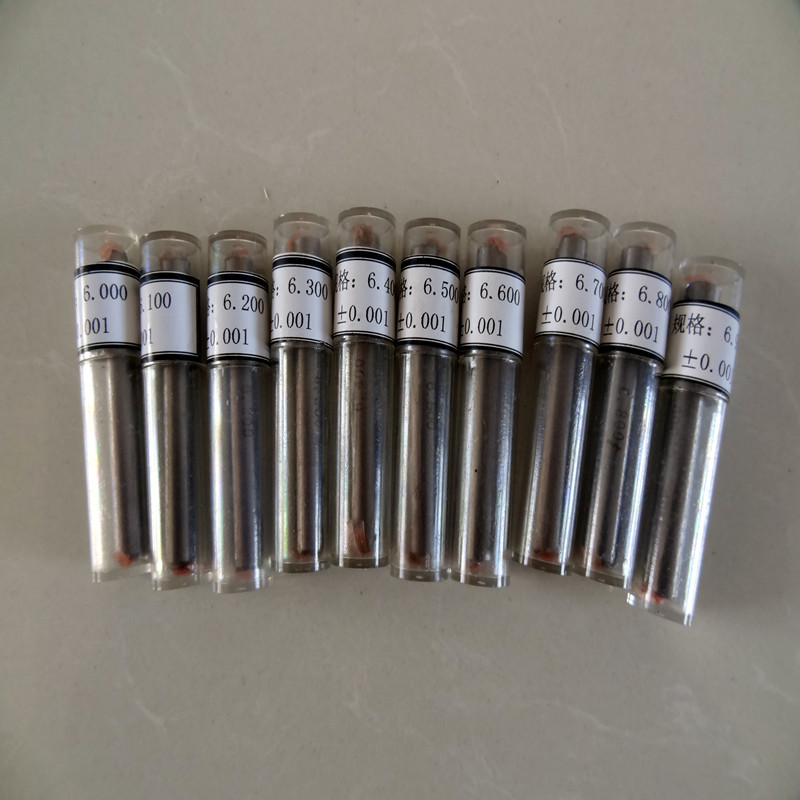
Understanding Threaded Plug Gauges An Essential Tool for Quality Control In the realm of precision engineering and manufacturing, ensuring the integrity and dimensional accuracy of threaded components is paramount. One of the key instruments that plays a critical role in assuring this accuracy is the threaded plug gauge. This tool serves as a simple yet effective means of checking the limits and tolerances of internal threads, making it essential for quality control in various industries. What is a Threaded Plug Gauge? A threaded plug gauge is a calibration tool used to verify the dimensions and functionality of internal threads in machined parts. Typically made from hardened steel, these gauges feature a threaded body that mimics the dimensions of the desired internal thread. They come in two varieties the go gauge, designed to fit into the thread, and the no-go gauge, which should not fit. The primary function of threaded plug gauges is to confirm whether the internal threads of a component meet specific standards and tolerances, ensuring that parts will properly connect and function together as intended. By using these gauges, manufacturers can prevent issues related to fitting and performance that could arise from improperly machined threads. Applications of Threaded Plug Gauges Threaded plug gauges are used across a wide range of industries, from aerospace and automotive to electronics and general manufacturing. Their applications include 1. Quality Assurance in Manufacturing In any manufacturing setup where threaded components are produced, threaded plug gauges are essential for quality control processes. They help in detecting faults that could lead to assembly failures or malfunctions. 2. Maintenance and Repair In maintenance settings, technicians use threaded plug gauges to inspect the condition of existing threaded holes before repairs or replacements are made, ensuring compatibility of new parts . 3. Calibration of Machines and Tools Manufacturers often use these gauges to calibrate machinery that produces threaded components. Consistent use ensures that the equipment is functioning properly and maintaining desired tolerances. How to Use a Threaded Plug Gauge Using a threaded plug gauge requires careful attention to detail and adherence to standardized procedures. The process typically involves the following steps threaded plug gauge 1. Identify the Gauge Determine the correct gauge size based on the specifications for the threaded hole being inspected. 2. Clean the Threads Ensure the internal threads of the component are clean and free from debris, as contaminants can affect the gauge’s accuracy. 3. Insert the Go Gauge Attempt to insert the go gauge into the threaded hole. If it fits smoothly without excessive force, the threads are within the acceptable tolerance range. 4. Insert the No-Go Gauge Next, attempt to insert the no-go gauge. If the no-go gauge does not fit, it confirms that the threaded hole is too large or poorly formed, indicating a potential quality issue. 5. Document the Results Record findings for quality control purposes, ensuring traceability in production or maintenance records. Benefits of Using Threaded Plug Gauges The significance of threaded plug gauges goes beyond just checking tolerances. Their benefits include - Cost-Effectiveness By helping to identify and rectify issues early in the manufacturing process, threaded plug gauges can save companies significant costs associated with rework and scrap material. - Improved Compliance They aid in ensuring compliance with industry standards and regulations, helping manufacturers to maintain their certifications and uphold product quality. - Enhanced Reliability Regular use of threaded plug gauges contributes to the overall reliability of products, leading to increased customer satisfaction and reduced warranty claims. Conclusion Threaded plug gauges are indispensable in the toolkit of quality assurance professionals and engineers alike. By ensuring that threaded parts meet strict tolerances, they play a vital role in the manufacturing process, preventing potential failures in components and assemblies. As industries continue to evolve, the importance of precision tools such as threaded plug gauges will remain at the forefront, reinforcing the foundational principles of quality and reliability essential for today’s competitive market. Whether in a bustling factory or a quiet workshop, threaded plug gauges continue to uphold the standards of precision engineering, ensuring that every threaded connection can be trusted to perform.
about
low e insulated glass panels
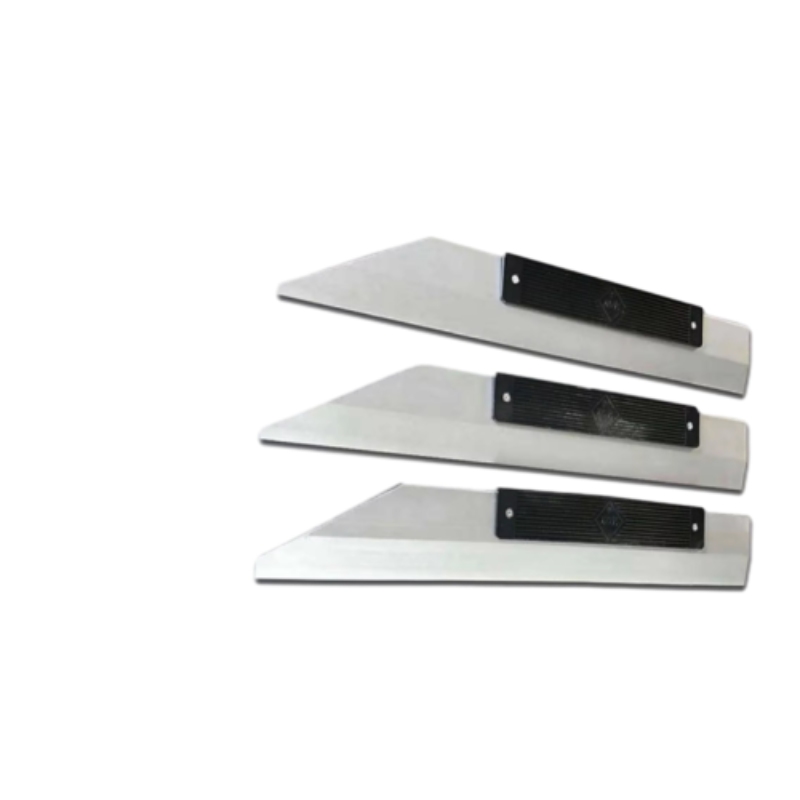
Understanding the Spirit Level Meter A Guide to Precision in Measurement A spirit level meter, also known simply as a level, is an essential tool used in construction, carpentry, and various engineering fields. Its primary purpose is to determine whether a surface is horizontal (level) or vertical (plumb). While this may sound straightforward, the applications of a spirit level can be quite complex, and understanding its mechanics and uses can greatly enhance the accuracy and quality of any project. The Mechanics Behind a Spirit Level Meter At the heart of a spirit level is a simple yet ingenious mechanism. The device consists of a sealed vial filled with liquid (usually alcohol or another colored fluid) and an air bubble. The vial is typically curved, which allows the bubble to rise to the highest point within the curvature. When the spirit level is placed on a surface, the position of the bubble indicates whether that surface is level. - Level Surface If the bubble is centered between the marked lines on the vial, the surface is perfectly horizontal. - Plumb Surface When the spirit level is used vertically, the same principle applies. If the bubble settles in the middle, then the surface is perfectly vertical. Types of Spirit Levels Spirit level meters come in various types to suit different needs. The most common types include 1. A-frame or Carpenter's Level This is the standard form and often features multiple vials, allowing for both horizontal and vertical measurements. 2. Torpedo Level Smaller and more compact, torpedo levels are ideal for working in tight spaces. They are often constructed with a magnet to secure themselves to metal surfaces. 3. Digital Level This modern variant uses electronic sensors to provide a digital readout of the angle, often enhancing accuracy and ease of use. Some digital levels feature additional functionalities such as angle measurement. spirit level meter 4. Laser Level A more advanced instrument, laser levels project a beam of light onto surfaces, creating a level line over long distances. This is especially useful for large projects where traditional levels might not work as effectively. Applications of Spirit Level Meters Spirit levels are indispensable across a multitude of applications, including construction, carpentry, and interior design . They are utilized when - Installing cabinets or shelves Ensuring these items are level helps maintain a professional appearance and supports optimal functionality. - Laying tiles An even floor or wall surface is crucial for aesthetic and practical purposes. Using a level meter during installation can prevent future cracking or uneven surfaces. - Framing and structural work Properly aligned frames are essential to the integrity and durability of buildings and other structures. - Landscaping Levels can assist in creating a balanced outdoor space, from patios to garden beds. Conclusion The spirit level meter remains a fundamental tool in ensuring precision in various trades and professions. Its simple design belies its effectiveness, and mastering its use can significantly improve the quality of work, from homes to commercial buildings. Investing in a reliable spirit level, whether it's a traditional model or a modern digital variant, is essential for anyone seeking to achieve accuracy in their projects. As technology advances, the spirit level will continue to adapt, but its core purpose—ensuring that our constructions stand straight and true—will always remain vital.
-

High quality industrial productsagement

High quality industrial products
View Details -

Meet the diverse needs of customers

Meet the diverse needs of customers
View Details -

Strict quality control

Strict quality control
View Details -

Top raw materials

Top raw materials
View Details -

Trusted supplier

Trusted supplier
View Details
Our application
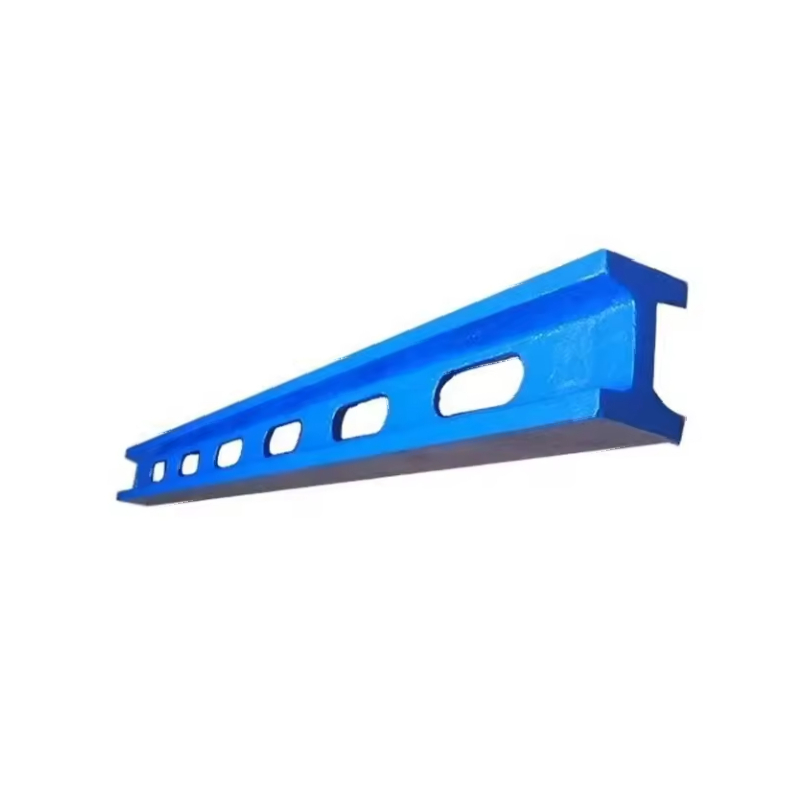
news and information
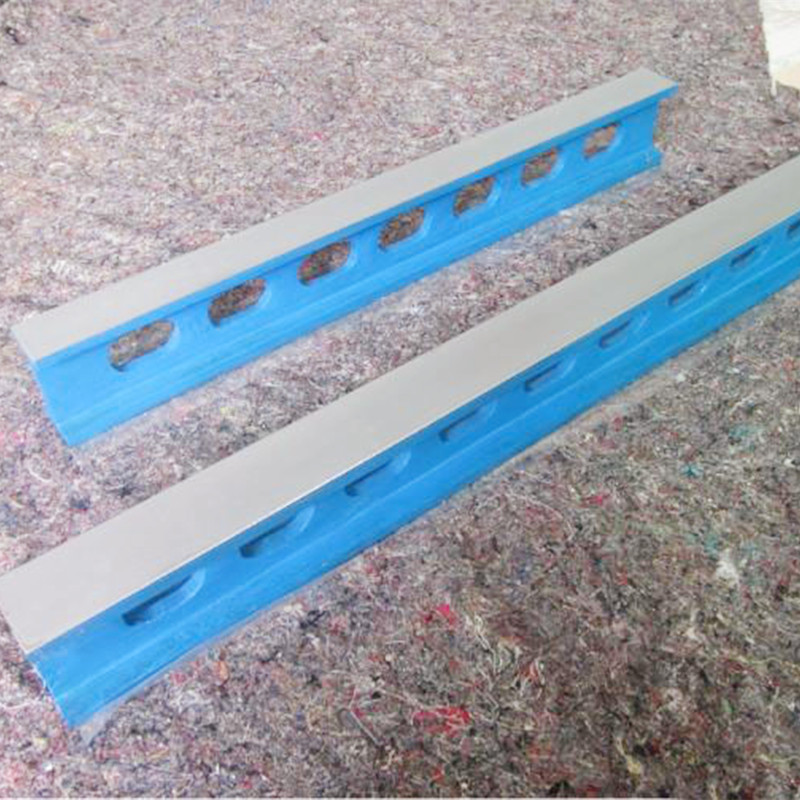
vratový ventil z oceli
Ocelové klapky Klíčový prvek v průmyslových aplikacích Ocelové klapky, známé také jako klapkové vent
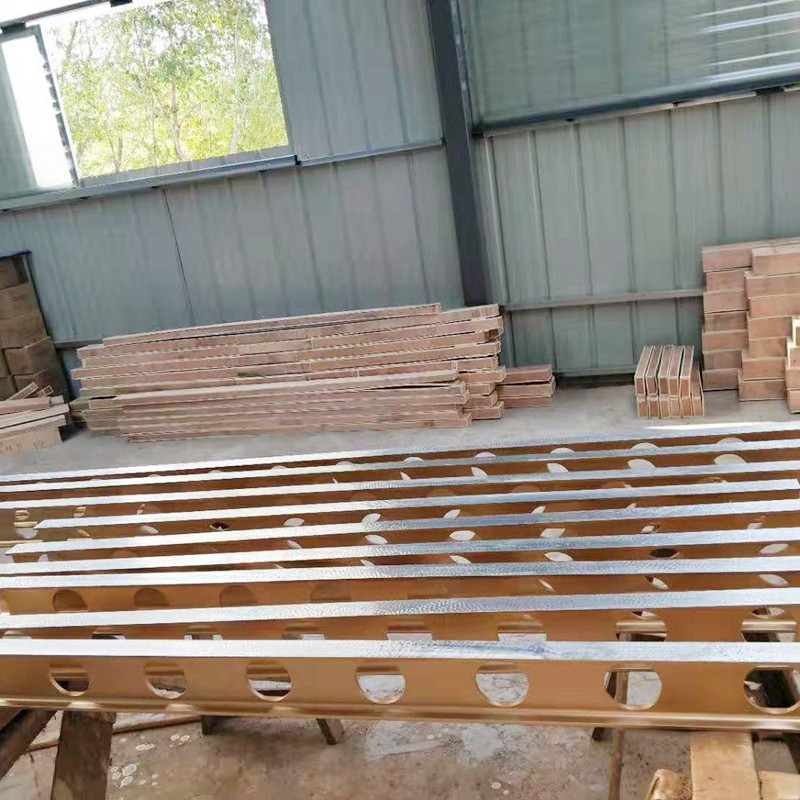
Y Type Strainers_ A Comprehensive Guide
Y type strainers are crucial components in various piping systems, known for their ability to filter
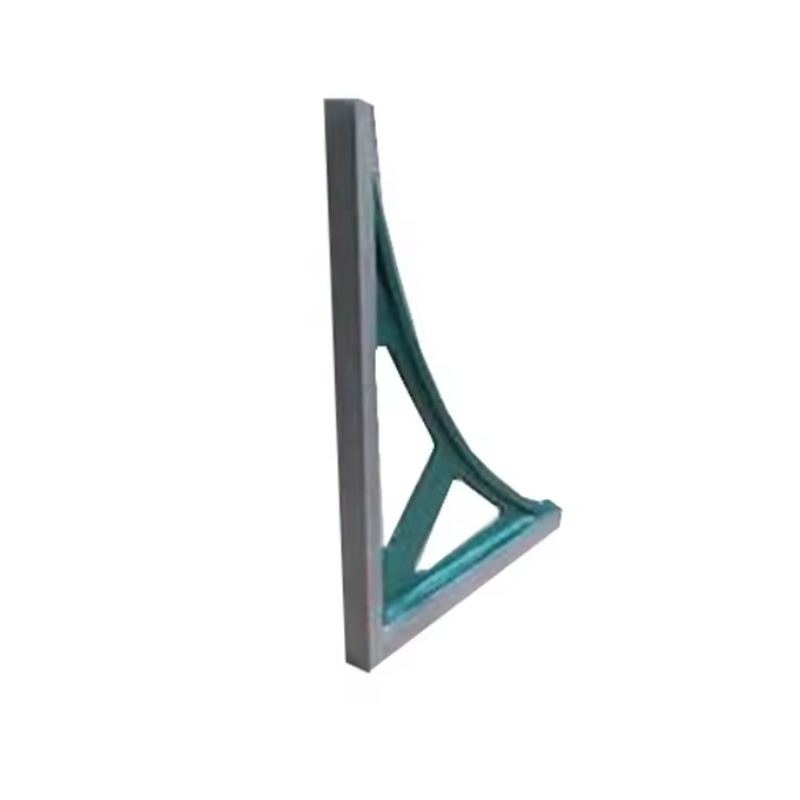
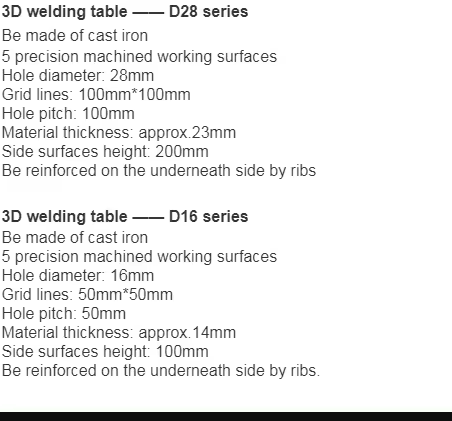
Versatile Portable Welding Table for Convenient and Efficient Metal Projects
The Versatility and Importance of Portable Welding Tables In the realm of metalworking, welding stan
 English